Key Takeaways
- Senior living communities use emergency call systems, secure entry points, and well-lit pathways to create safer living environments.
- Personal care services include medication management, wellness checks, and 24-hour support when you need assistance.
- Memory care neighborhoods feature specialized security measures like door monitoring and enclosed outdoor spaces.
- Communities maintain emergency preparedness plans and partnerships with local hospitals for medical situations.
Safety and Security in Senior Living Communities
Moving to a senior living community brings many questions, and safety concerns often top the list. You want to know that you or your loved one can live comfortably while having access to help when needed.
Senior living communities provide safety through physical features like emergency call systems and secure entry points, combined with trained team members who offer support services and 24-hour availability. These communities balance independence with security, creating environments where residents can feel confident in their daily activities while receiving personal care services when needed.
Physical Safety Features That Matter Most
Modern senior living communities incorporate specific design elements that help prevent accidents and support daily mobility. Emergency call systems in every room and common area connect you directly to team members who can respond quickly to any situation.
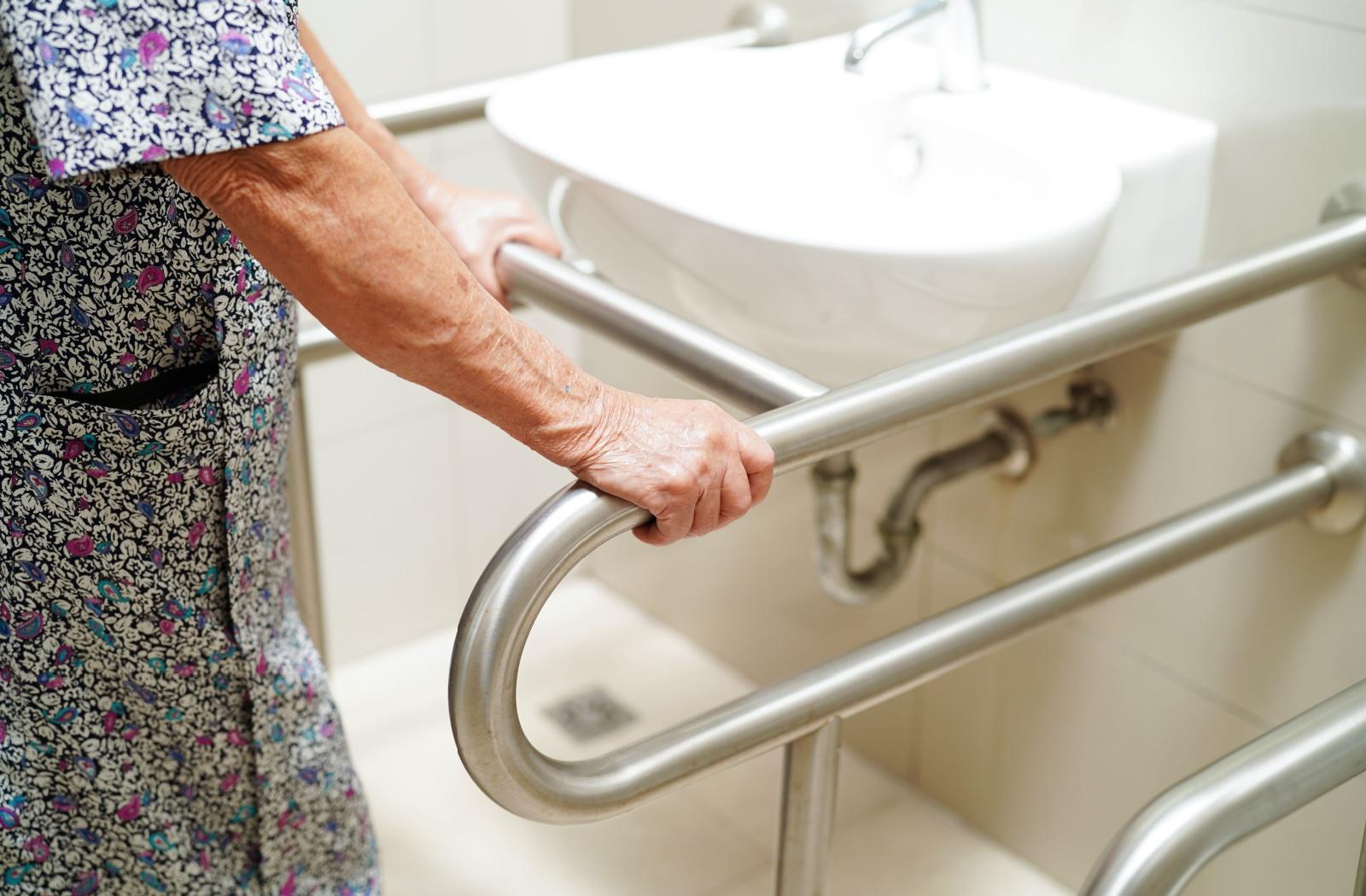
Well-lit walkways and hallways reduce the risk of trips and falls, while strategically placed grab bars provide stability when moving through the community. Non-slip flooring and accessible bathroom designs with walk-in showers make daily routines safer and more manageable.
Secure entry points with controlled access help manage who enters and exits the building. Fire safety systems include smoke detectors, sprinkler systems, and clear evacuation procedures that team members practice regularly. Falls are a major concern for older adults, making these physical safety features particularly important for maintaining your independence.
How Personal Care Services Support Your Safety
Personal care services focus on helping you maintain your routine while providing assistance where needed. Medication management can include reminders, organization, or administration depending on your specific needs and preferences.
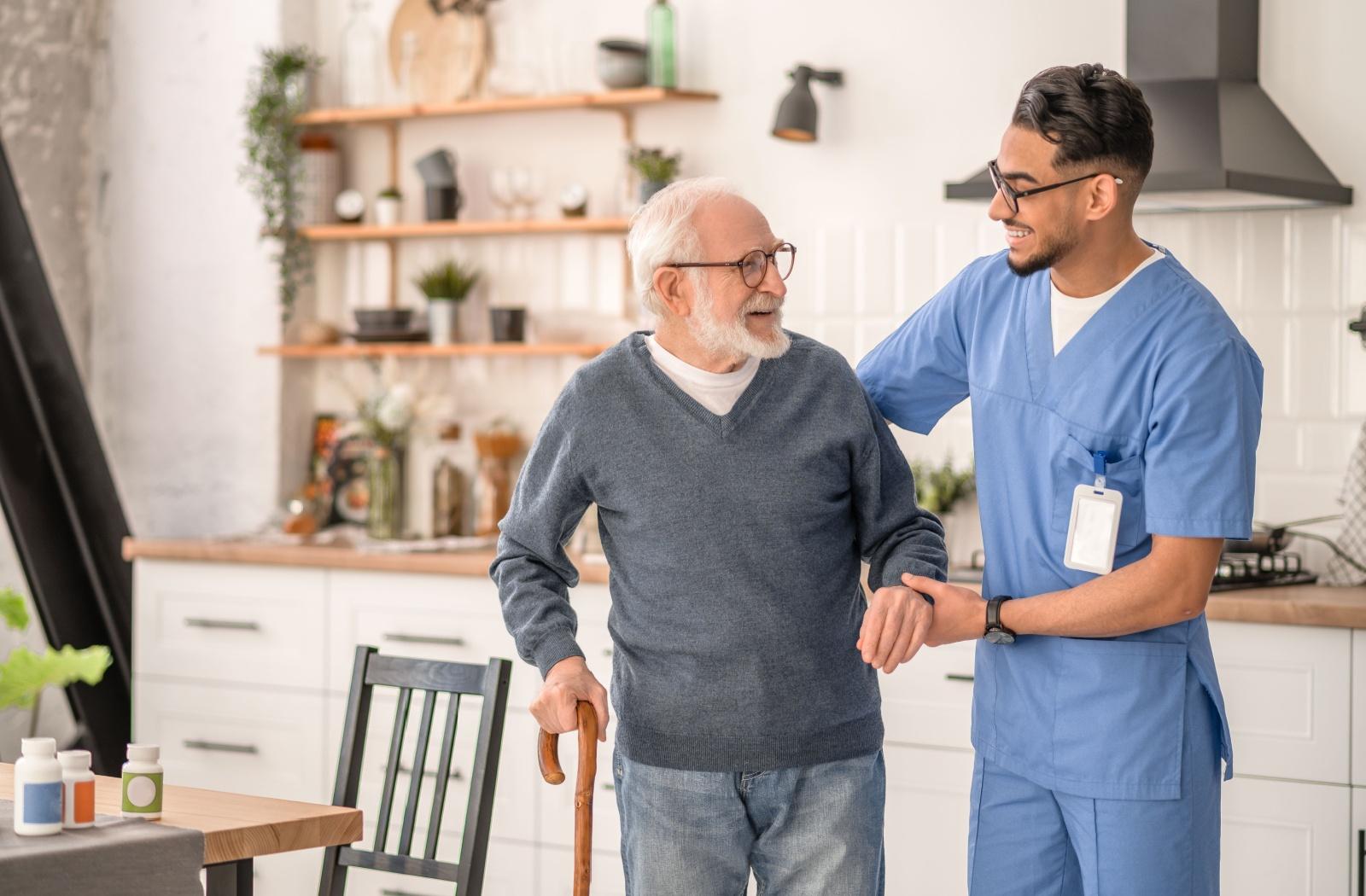
Team members trained in personal care can assist with daily activities like bathing, dressing, or mobility support when you need help. Regular wellness checks allow team members to monitor your health and notice any changes that might require attention.
Fall prevention programs often include balance exercises, mobility assessments, and environmental modifications to reduce risks. The 24-hour support availability means you can access help during the day or night if an emergency situation occurs.
Special Considerations for Memory Care Security
Memory care neighborhoods require additional security measures designed specifically for residents with memory-related conditions. These secured areas prevent residents from leaving unaccompanied while still allowing freedom of movement within safe boundaries.
Door alarms and monitoring systems alert team members if someone attempts to leave the secured area. Specialized training helps team members understand how to communicate effectively and provide appropriate support for memory care residents.
Safe wandering paths and enclosed outdoor areas give residents space to walk and explore while remaining in a protected environment. Wandering behavior in dementia patients requires careful management to maintain safety while preserving dignity. Personalized care plans address each resident’s specific needs, behaviors, and preferences to create the most supportive approach possible.
Emergency Preparedness and Response
Communities develop comprehensive emergency protocols that cover medical situations, natural disasters, and other unexpected events. Medical emergency procedures include clear steps for contacting emergency services and providing immediate assistance until professional help arrives.
Partnerships with local hospitals and emergency services create direct communication channels that can speed response times during medical emergencies. Natural disaster preparedness plans outline evacuation procedures, shelter-in-place protocols, and communication methods for different scenarios.
Backup power systems keep important services running during outages, while multiple communication methods help maintain contact with families and emergency services. Regular emergency drills and ongoing team training help everyone respond effectively when situations arise.
Finding the Right Balance of Safety and Independence
The most effective senior living communities understand that safety doesn’t mean restricting your choices or independence. You can evaluate potential communities by asking about their safety protocols, touring the physical spaces, and observing how team members interact with current residents.
Look for communities that explain their safety measures clearly while emphasizing your ability to make decisions about your daily life. The right environment provides security features and support services without making you feel restricted or overly monitored.
At The Bridges at Bent Creek, we create an environment where safety measures work alongside your independence. Our personal care and memory care services in Mechanicsburg provide the support you need while respecting your choices and preferences. Contact us to schedule a tour and learn more about how our community approaches safety and security.