
Key Takeaways
- Memory changes can affect judgment and balance, so thoughtful safety features support daily comfort.
- Many safety details go beyond grab bars and secured doors, including color contrast, lighting, and simple layouts.
- Predictable routines and trained staff help lower agitation and restless wandering.
- When touring a community, ask about design choices, daily schedules, and staff training.
- The Bridges at Bent Creek weaves subtle safety into everyday life.
What Makes Memory Care Feel Safe and Supportive
When someone you love lives with memory changes, small things can start to feel worrisome. A dim hallway, a slippery floor, or a confusing turn can lead to a fall or a moment of fear. At The Bridges at Bent Creek, these risks are handled quietly and with care.
Memory care blends visible tools like secured entries and grab bars with hidden design choices, steady routines, and trained staff, all working together to keep residents comfortable and as independent as possible.
Why Safety Matters So Much in Memory Care
Memory changes can affect more than recall. They can change how a person judges distance, reads a room, or keeps their balance. A staircase that once felt simple might now feel confusing, and that shift can raise the chance of a fall.
Good safety planning helps lower wandering, falls, and daily confusion. When those worries fade into the background, residents can move through their day with more ease. Safety here is not about limiting people. It is about giving them room to stay independent and comfortable in a space built around their needs.
Common Safety Features You Probably Expect
Some safety features come to mind right away, and for good reason. They form the foundation of memory care and give families a sense of steadiness. You can expect to see many of these during a tour.
- Round-the-clock staffing and supervision, so someone is always nearby.
- Secured entries paired with open indoor spaces where residents can walk freely.
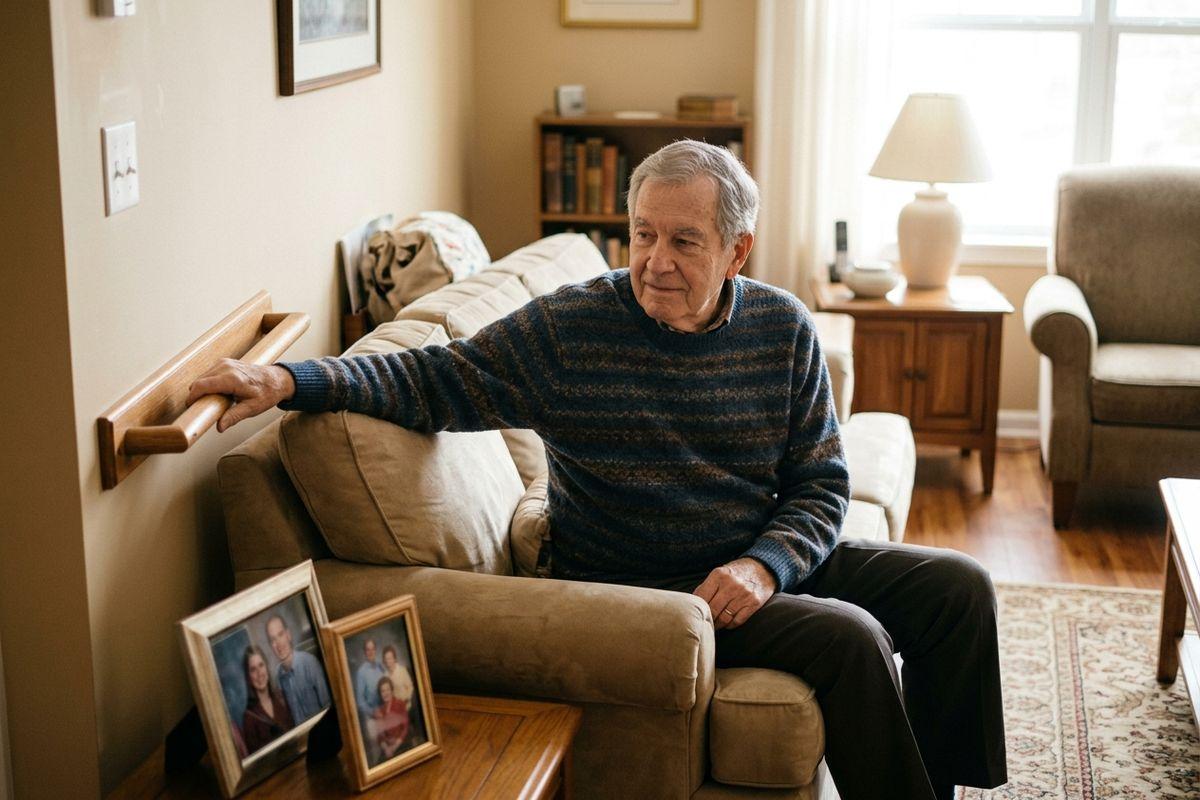
- Grab bars in bathrooms and hallways for steady support.
- Non-slip floors that lower the chance of a fall.
- Alert buttons that connect residents to help in seconds.
These features matter, but they are only part of the picture. The details you might not notice often do just as much to keep everyone safe.
Hidden Design Choices That Keep Residents Safe
Some of the most helpful safety features are the ones you do not see at first glance. They blend into the space so smoothly that they feel like part of the decor. Yet each one plays a quiet role in helping residents find their way.
Color Contrast and Simple Layouts
Contrasting colors can help residents tell one surface from another. A dark chair against a light floor is easier to spot, and a bright plate on a plain table makes mealtime simpler. These small touches help with vision and navigation throughout the day.
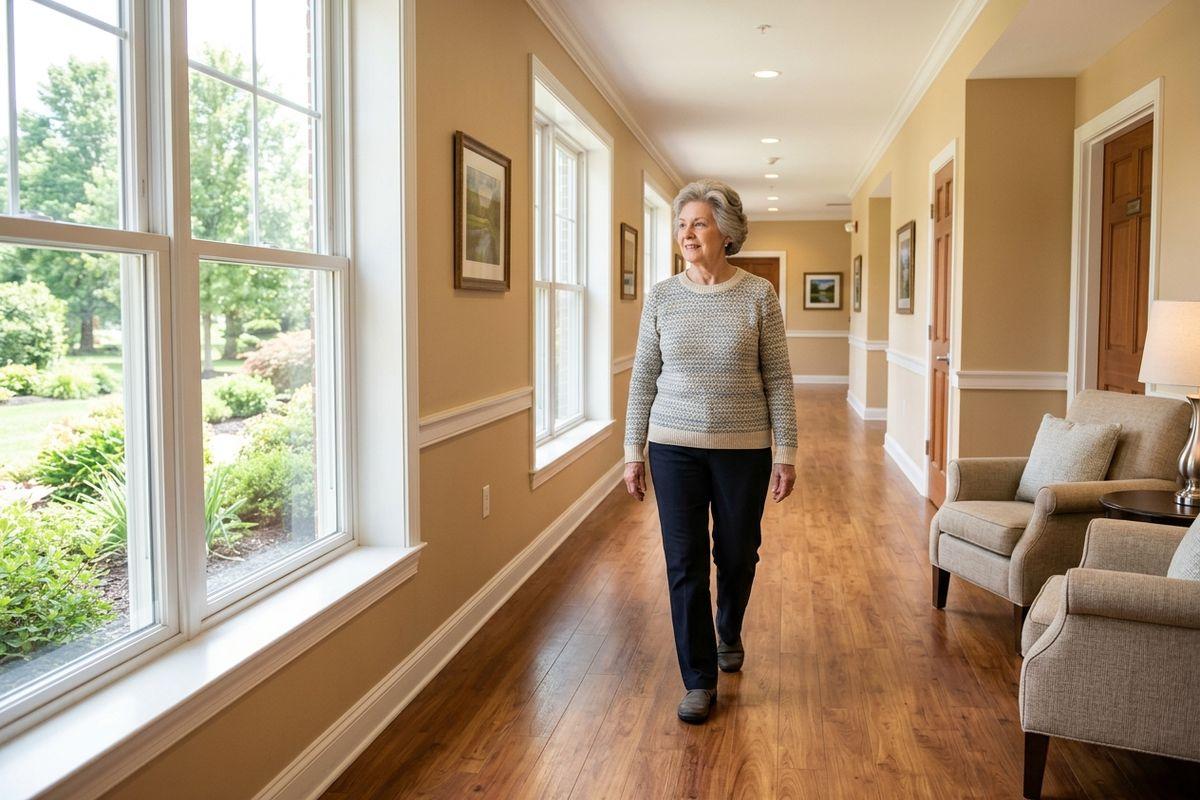
Simple layouts matter too. Clear sightlines let residents see where they are headed, and there are no confusing dead-end hallways to leave them feeling stuck. When the path forward is easy to read, walking around feels natural instead of stressful. You can get a sense of this in the community’s floor plans and suites.
Lighting and Visual Cues
Even lighting helps reduce disorientation. Harsh shadows or dark corners can look like holes or obstacles, so steady light across a room helps residents feel sure of their footing. Bright, welcoming spaces also feel calmer.
Picture signs offer another gentle nudge. A photo of a bed on a bedroom door or a fork near the dining area helps residents find the right room without needing to read a word. These cues support memory in a quiet, respectful way.
Routines and Trained Staff as Safety Tools
Safety is not only built into walls and floors. It also lives in how each day unfolds and how the people who care for residents respond. Together, routine and training create a calm rhythm that residents can count on.
Predictable Daily Schedules
Set times for meals, rest, and activities give the day a familiar shape. When residents know what comes next, the day feels less confusing and more secure. That structure can lower agitation and restless wandering.
A steady schedule also helps residents feel a sense of purpose. Knowing that lunch follows a morning walk, for example, gives the day gentle anchors to hold onto.
Staff Trained for Memory Support
Trained staff use calm, compassionate communication that meets residents where they are. A soft tone and patient words can turn a tense moment into a peaceful one. This approach treats each person with dignity.
Staff also learn to notice triggers before they grow into bigger problems. A change in mood, hunger, or noise level can signal that a resident needs support. Catching these signs early helps keep everyone at ease.
How to Choose a Community That Values Safety
When you visit a community, look past the surface. Ask how the space is designed, how the daily routine works, and how staff are trained for memory support. The answers can tell you a lot about how deeply safety is woven into daily life.
Pay attention to the subtle details too. Notice the lighting, the color contrast, and the clear pathways. These quiet choices often matter more than a long checklist on paper.
At The Bridges at Bent Creek in Mechanicsburg, safety is part of the everyday flow of personal care and memory care, built to support both comfort and independence. If you would like to see this approach in person, reach out to schedule a visit and start the conversation.