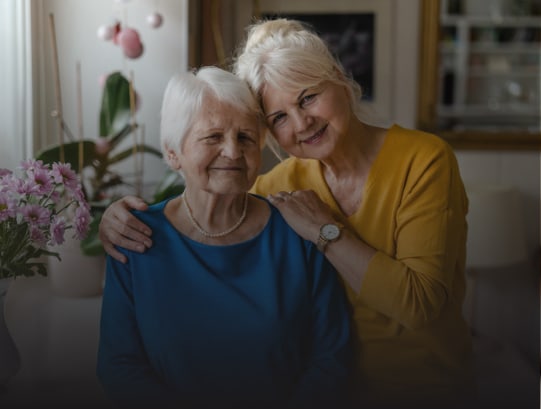

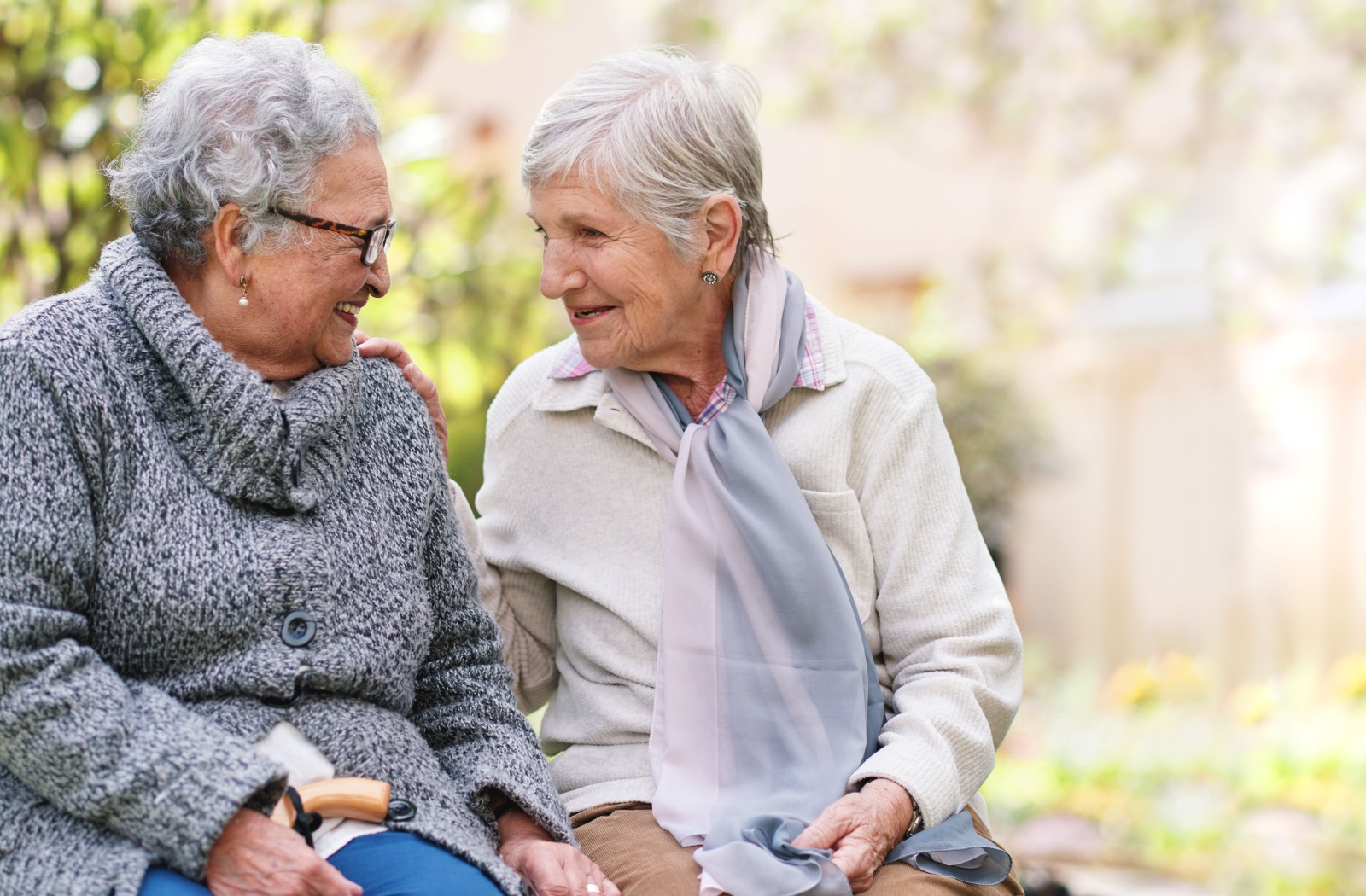
Moving a parent to a personal care community often brings up questions about how they’ll stay connected to others. Many families worry about isolation, especially if a loved one has been spending more time at home or has fewer opportunities to socialize. Fortunately, socialization is a large part of what makes personal care so helpful.
In senior living, daily routines, shared experiences, and welcoming spaces help residents build friendships naturally. Whether someone enjoys lively group events or prefers quieter conversations, personal care offers structure and support that make socializing easier and more accessible than it may be at home.
Key Takeaways
- Personal care communities create dependable opportunities for seniors to meet others and build friendships.
- Social connection supports emotional well-being, confidence, and a sense of routine for older adults.
- Shared meals, common areas, entertainment, and educational programs all help residents socialize naturally.
- Activities of different sizes and styles give residents options that fit their personality and comfort level.
- Support with daily routines helps residents feel confident joining community programs and conversations.
Why Socializing Is So Important for Seniors
Meaningful social interaction can make everyday life feel steadier and more enjoyable for older adults. Staying connected helps many residents feel more confident, supported, and understood by people who share similar life experiences. Regular conversations, shared routines, and familiar faces often provide a sense of rhythm and comfort.
For families, it’s reassuring to know that these connections can also support emotional well-being. When residents have reliable opportunities to socialize, it’s easier for them to stay engaged, maintain a sense of independence, and build friendships that enrich daily life.
How Senior Living Makes Socializing Easier Than Ever
Personal care creates plenty of social opportunities for residents. With a range of activities, programs, events, and more, there are all kinds of new chances to bond.
Shared Meals and Dining Experiences
Sitting down for meals with neighbors gives residents a simple, familiar way to start conversations. Shared tables, regular dining times, and a relaxed atmosphere help people feel part of a community, even on quieter days. These moments often become dependable experiences that help residents feel connected from one day to the next.
Comfortable Common Areas
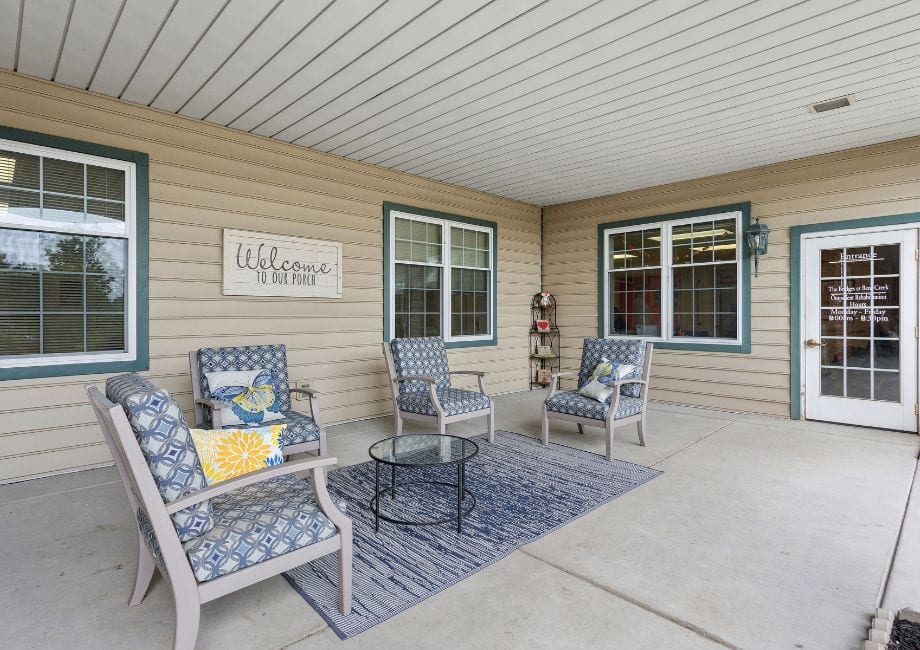
Lounges, reading nooks, and outdoor seating areas encourage casual connection. These spaces let residents choose how they want to participate, whether that’s chatting with someone nearby or simply enjoying the presence of others. Because these areas are easy to access throughout the day, they naturally support spontaneous interactions.
Activities That Fit Different Comfort Levels
Not every resident wants large-group events, and personal care communities understand that. Smaller programs, quiet activities, or one-on-one moments help ensure that everyone has a way to stay socially engaged in ways that suit their personality. This flexibility helps residents build confidence as they explore what feels right for them.
Music and Entertainment Events
Live music, movie nights, and other entertainment programs often bring residents together. These shared experiences spark conversation and provide enjoyable ways to meet new people. They also help residents bond over familiar songs, shared humor, or favorite performers.
Educational and Discussion Groups
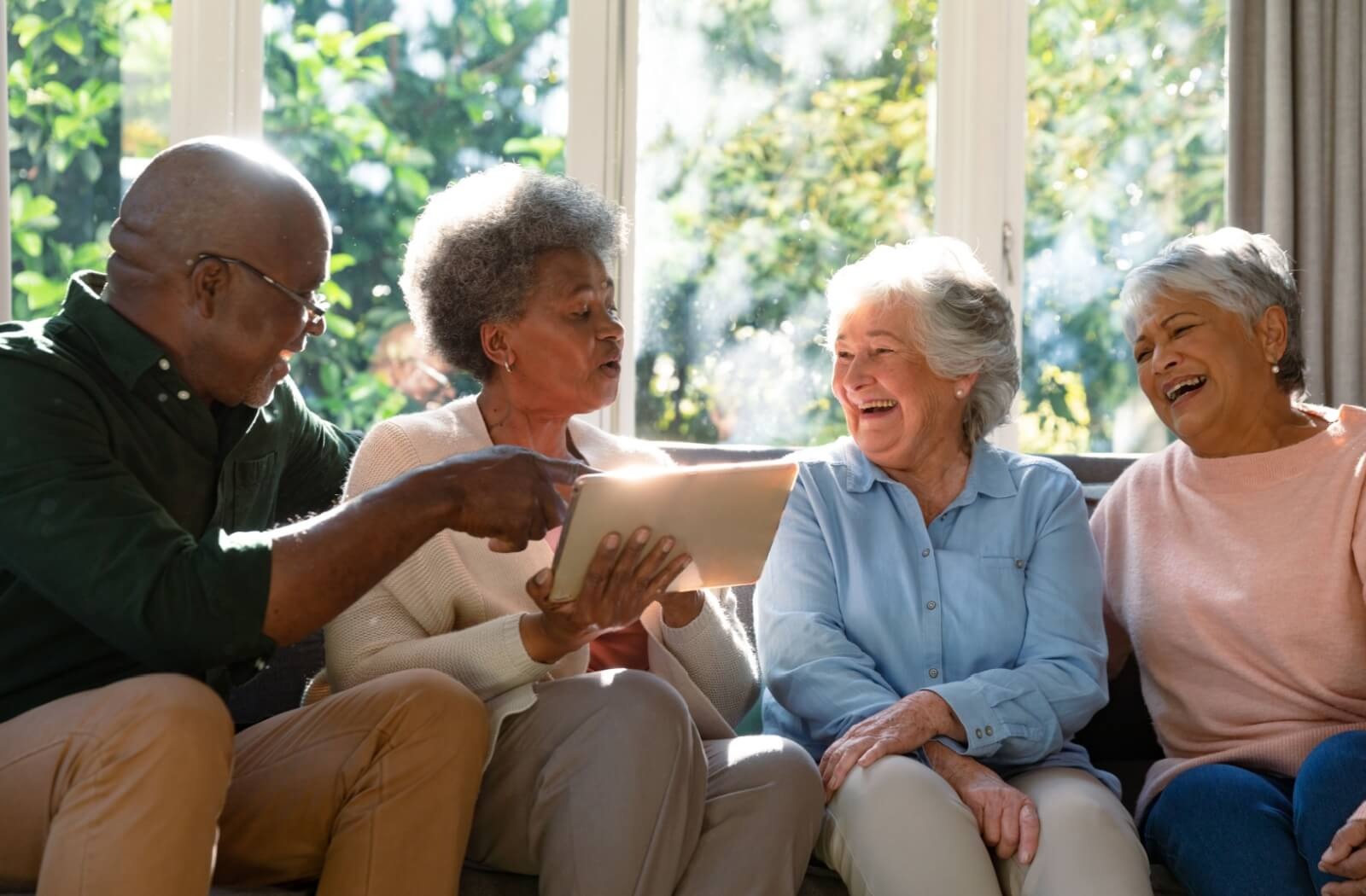
Book clubs, news discussions, or hobby-based groups give residents the chance to exchange ideas and explore interests while getting to know others with similar passions. These activities offer a sense of purpose and provide regular opportunities for deeper conversation.
Seasonal Celebrations and Special Occasions
Holiday gatherings, birthday celebrations, and community traditions help residents feel recognized and included. These events often become touchpoints for connecting with neighbors and staff. Because they blend familiarity with new experiences, they offer an easy way for residents to participate at their comfort level.
How Personal Care Builds Confidence in Social Settings
Support with daily routines can make it easier for residents to enjoy community life. When a parent has help getting ready for the day, managing medications, or navigating mobility challenges, they can approach activities with more confidence and less worry. That sense of steadiness often encourages them to participate in their community.
Meanwhile, the community itself is built around accessibility and support. With features like walkable layouts and cozy gathering spots, residents can spend time near others and find like-minded people around them. When the environment feels comfortable and easy to navigate, residents are more likely to spend time outside their apartments and connect with others throughout the day.
A More Connected Life Is Within Reach
Social connection is one of the most meaningful parts of personal care, and many families find comfort in knowing their loved one will have dependable opportunities to meet others, share experiences, and feel part of a community. Daily activities, common spaces, and friendly routines help residents stay engaged without feeling rushed or overwhelmed. And here at The Bridges at Bent Creek, all of these and more are a part of daily life.
In our community, life is all about connection, support, and love. Your loved one deserves to feel supported at all times, and we’re ready to welcome them to their new home. Schedule a visit with us today, and together, we can give your loved one a life of connection and joy.