

Key Takeaways
- Ask about personal care services that can adapt as your needs change over time
- Understand how the community balances support with your independence and personal choices
- Learn about staff training, availability, and communication with families
- Review costs, payment options, and what services are included in monthly fees
- Evaluate safety features, dining options, and the move-in transition process
Questions That Help You Choose the Right Personal Care Community
Finding a personal care community that feels right for you involves more than just touring the building or reading brochures. You need specific information about how daily life works, what support looks like, and how the community adapts to your changing needs.
The right questions can help you understand whether a community truly matches your values, preferences, and care requirements. These 6 areas cover the most important aspects of personal care community life that directly impact your comfort and well-being or that of your loved one.
- What Personal Care Services Are Available When You Need Them?
Personal care communities offer different levels of support, so you’ll want to understand exactly what help is available. Ask about daily living assistance like bathing, dressing, and mobility support. Find out how medication management works and whether staff can remind you about medications or provide more hands-on assistance.
Personal hygiene and grooming help varies between communities. Some provide basic assistance while others offer more comprehensive support. Most importantly, ask how care plans adapt when your needs change—you want flexibility that grows with you rather than requiring you to move again.
- How Does the Community Support Independence and Personal Choices?
Your daily routine and personal preferences matter just as much in a community setting. Ask about schedule flexibility—can you eat breakfast at 10 AM if that’s your preference? How much control do you have over your daily activities and personal space?
Privacy and decision-making autonomy are important for your comfort. Learn about visitor policies and how family members can stay involved in your life. Understanding these policies upfront helps you maintain the relationships and routines that matter to you.
- What Do Community Life and Social Opportunities Look Like?
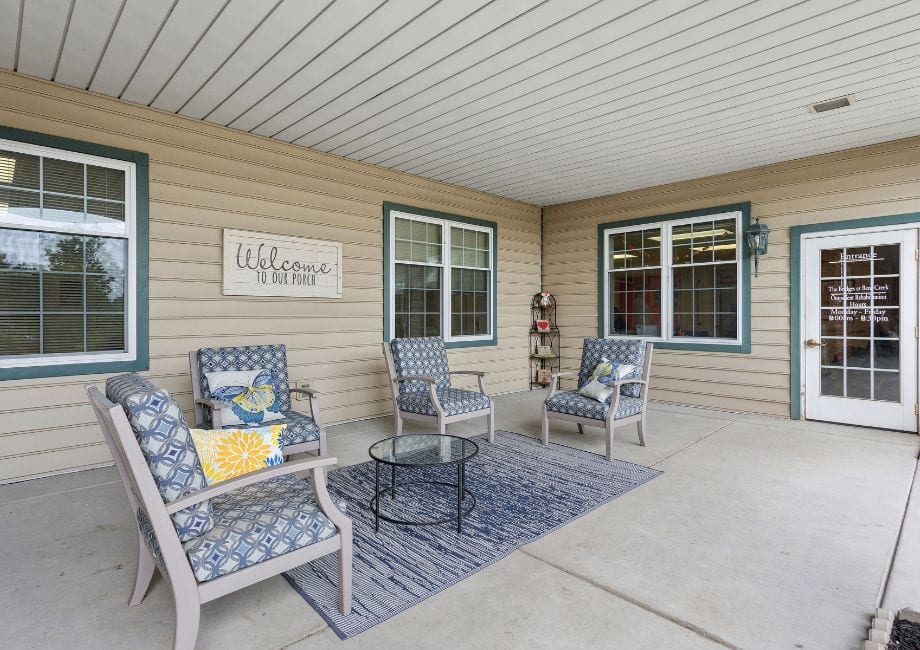
Community experiences can add richness to your daily life, but only if they align with your interests. Ask about the variety of daily activities and whether participation is optional. Look at social gathering spaces and consider whether they feel comfortable for your personality type.
Transportation services for outings and appointments matter for maintaining independence. Find out how you can connect with other residents if you want social interaction, and whether there are quiet spaces for those who prefer solitude.
- How Does Staff Training Work and How Available Are Staff Throughout the Day?

Staff training directly affects the quality of care you receive. Ask about specific training requirements for personal care assistance and how often staff receive additional education. Understanding staff-to-resident ratios helps you know how quickly someone can respond when you need help.
24-hour availability for emergencies provides peace of mind, but ask about the response process. Learn how staff communicate with families about your care and daily activities—this transparency helps everyone stay informed about your well-being.
- What Dining Options and Nutritional Support Are Provided?
Meal times are often social highlights of the day, so dining options matter for both nutrition and enjoyment. Ask about meal service schedules and whether you can eat at different times if needed. Find out how the community handles dietary restrictions and special nutritional needs.
The dining room atmosphere and seating arrangements affect your comfort during meals. Some people prefer assigned seating while others like flexibility. Ask about snack availability throughout the day and whether you can keep food in your room.
- How Do Healthcare Coordination and Medical Support Function?
Healthcare coordination becomes more important as you age, so understanding the community’s approach helps you plan ahead. Ask about relationships with local healthcare providers and whether they can help coordinate appointments with your existing doctors.
On-site health monitoring varies between communities. Some offer basic wellness checks while others provide more comprehensive support. It’s important to learn about emergency response procedures and how quickly medical help can arrive when needed.
Making Your Decision with Confidence
Trust your instincts during community visits. Watch for red flags like unclean common areas, unhappy residents, or staff who seem rushed or inattentive. Your comfort level during visits often predicts how you’ll feel living there. You may also be able to talk with current residents and their families about their experiences. Their honest feedback provides insights you can’t get from promotional materials.
At The Bridges at Bent Creek in Mechanicsburg, we encourage you to ask questions, meet our residents, and take the time you need to make this important decision. Contact us to schedule a visit and see how our personal care and memory care services might support your needs.